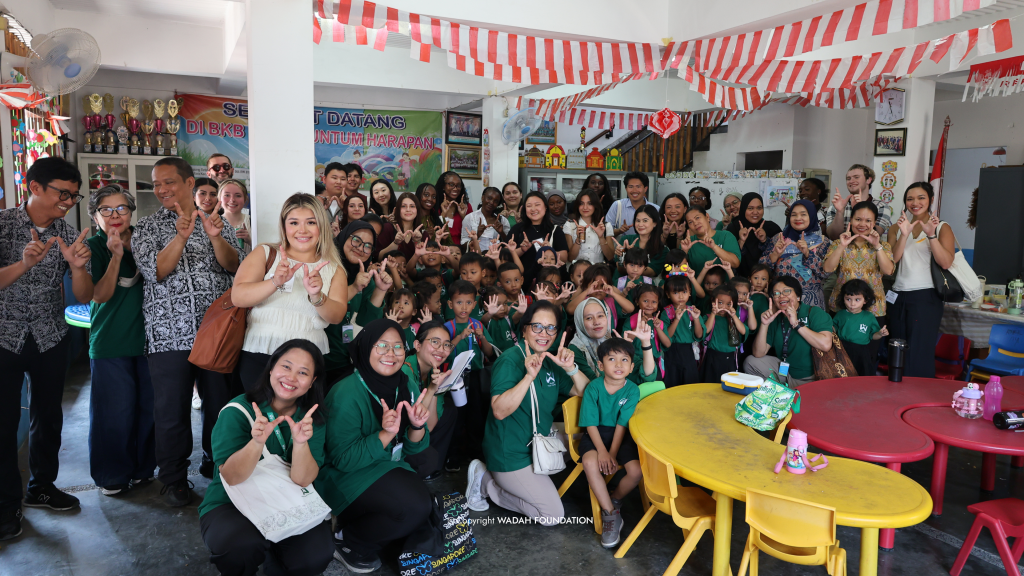
Uchicago Delegation at PAUD Kuntum Harapan Kampung Beting
On Monday, 14 September 2026, the Wadah Titian Harapan Foundation (Wadah) welcomed 24 undergraduate students from the University of Chicago (UChicago), accompanied by university staff. The visit was part of the Global Health Career Trek (GHCT) to Jakarta programme, organised by the University of Chicago’s Office of Career Advancement from 14 to 16 September 2026. Commonly known as UChicago Career Advancement, the office is the careers service for undergraduates and new alumni of the University of Chicago. It helps students prepare for and secure jobs, internships as well as pursue their chosen postgraduate programmes.
Through this programme, students gain first-hand exposure to organisations, professional practices, development and global health issues by visiting organisations and engaging with practitioners in the field.
From the outset, Wadah designed the visit as a field-based learning experience In addition to learning about the organisation through presentations, the students were invited to see how health, nutrition and education are interlinked in the daily lives of the community. The delegation first visited Kampung Beting a community that Wadah works with in Koja, North Jakarta; from there they went on to the Wadah Foundation House and the Tebet Community Health Centre (Puskesmas Tebet). Wadah hopes this encounter will mark the beginning of a mutually beneficial partnership.
Seeing the Nutrition Kitchen at Work
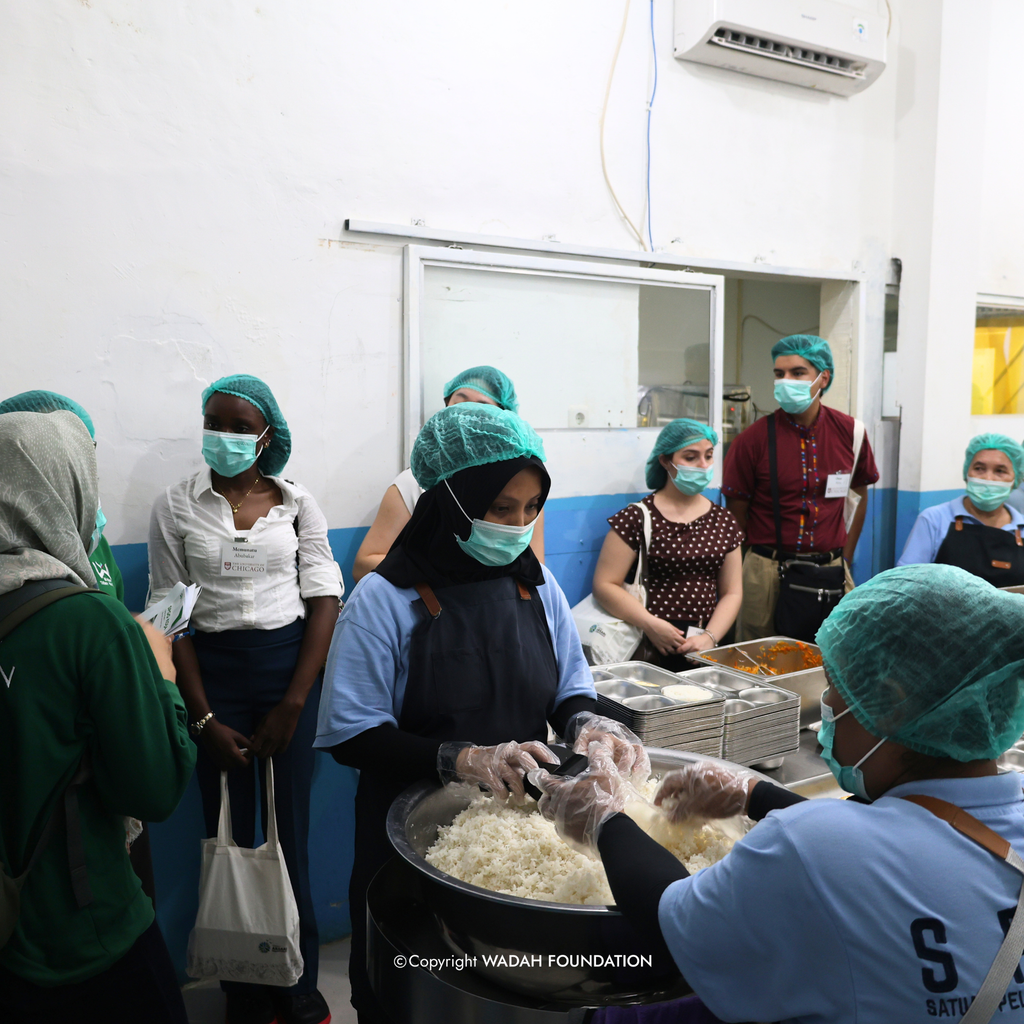
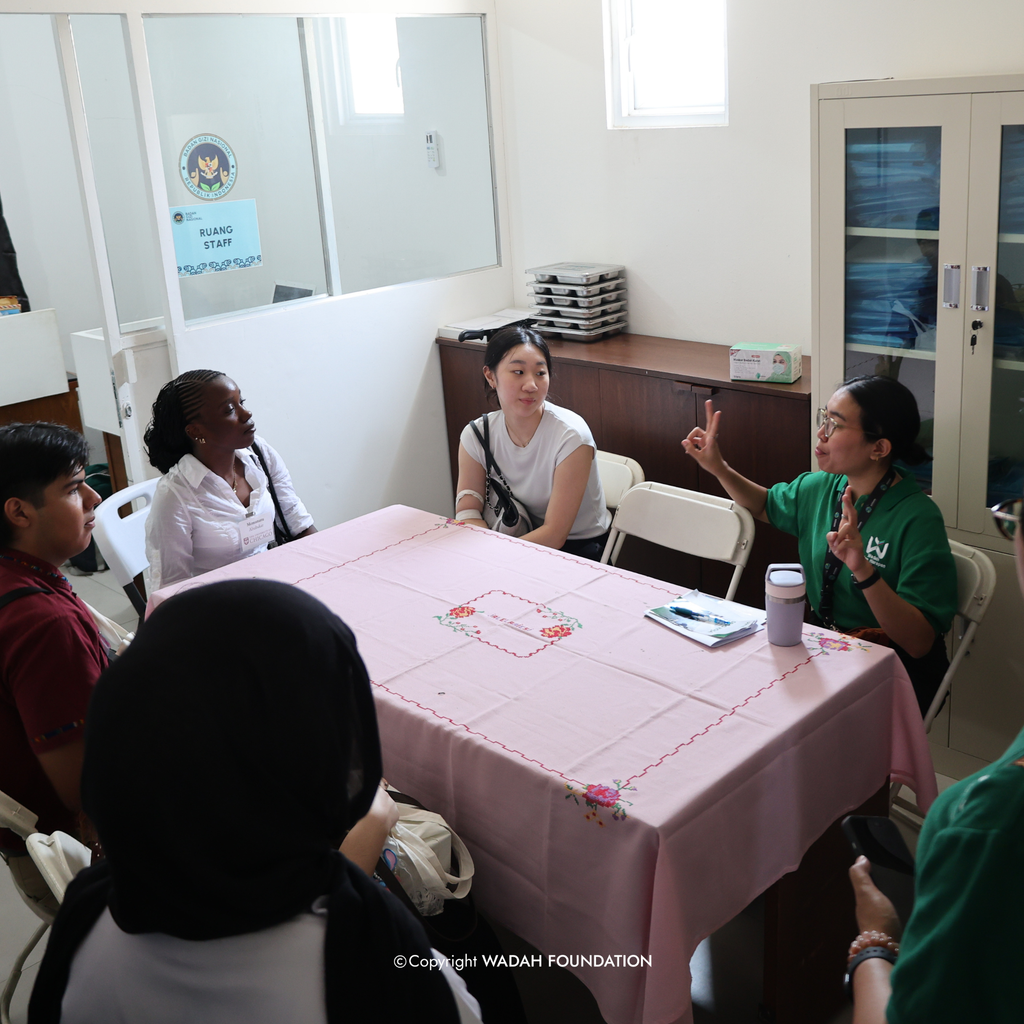
Uchicago students at Koja Nutrition Kitchen
In the morning, the UChicago students, accompanied by Wadah, arrived at the Koja Nutrition Kitchen (Dapur Gizi), a Nutrition Fulfilment Service Unit (Satuan Pelayanan Pemenuhan Gizi, SPPG). There they observed food preparation, quality control and how the SPPG team works. Most members of the kitchen team are local residents who work with the facilities and resources available to them. By observing the SPPG in operation, the students gained a fuller picture of how policy, service standards, available resources and implementation on the ground are interconnected. For Wadah, the residents who help run this kitchen embody the principle of community empowerment: the community helps drive a service whose benefits flow back to its own neighbourhood.
Hearing Directly from the Residents of Kampung Beting
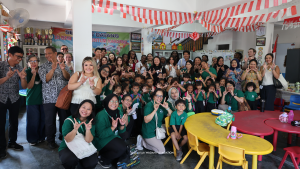
From the Nutrition Kitchen, the students proceeded to the early childhood education centre (PAUD) and talked with residents of Kampung Beting. Kampung Beting is a densely populated settlement that is frequently affected by flooding and has, for years, aced challenges relating to legal identity and civil registration” is more natural and professional.
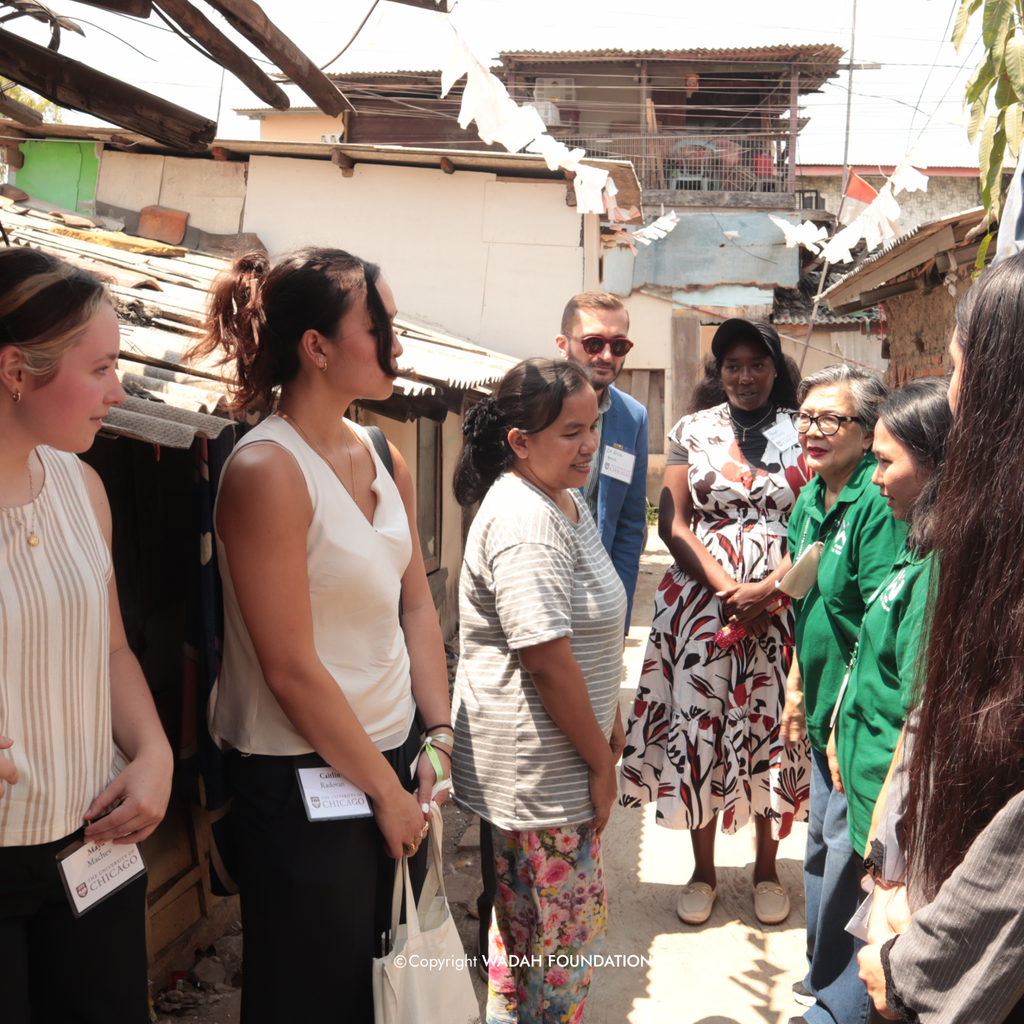
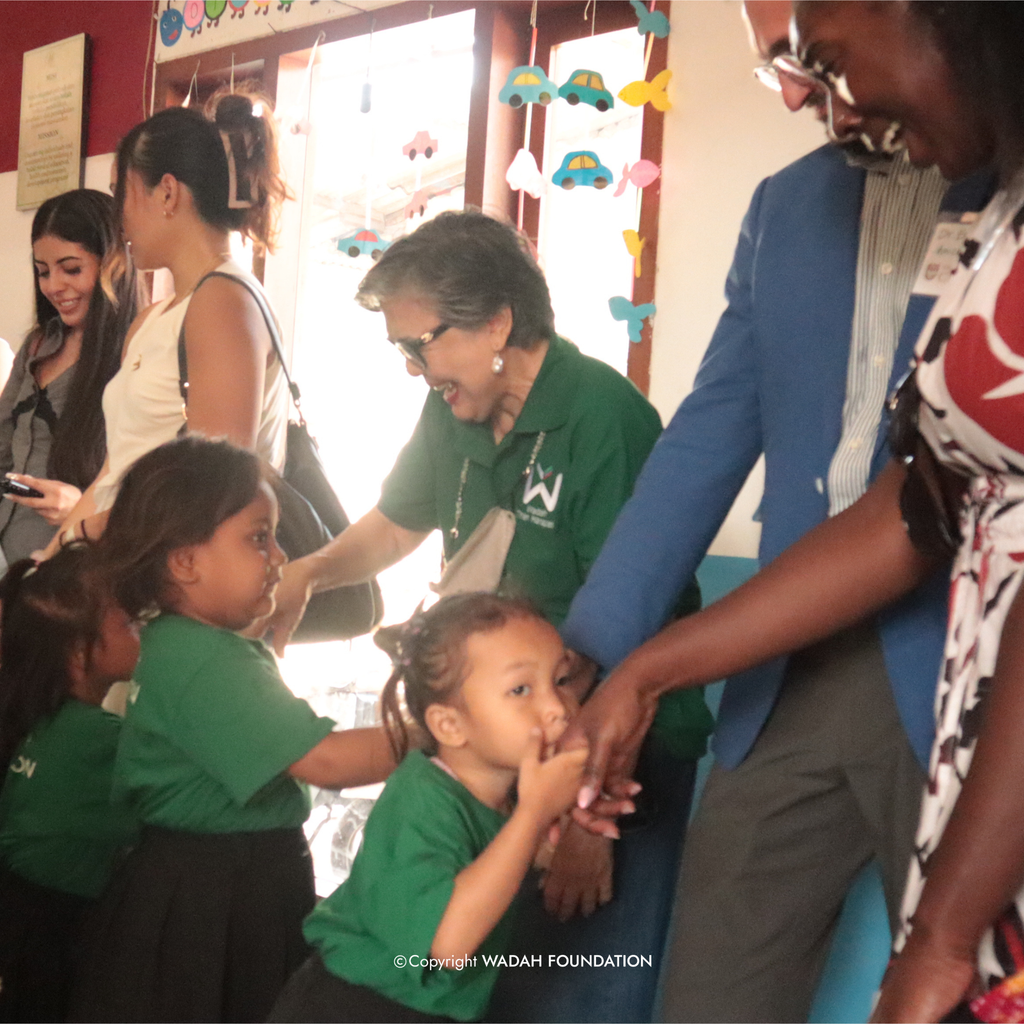
Uchicago students with Kampung Beting community
The students heard that Wadah’s support here did not begin with a large-scale programme. Long before any health facilities or programmes were in place, Ricardo Hutahaean, a Wadah activist and head of the Kampung Beting community association (Rukun Warga, or RW), had been actively helping residents register their children’s births and complete their civil registration documents, enabling them to obtain legal identities and be officially recognised by the state. Building on this fundamental access, trust among residents grew, and Wadah’s support expanded in response to their needs o include education, health and economic empowerment.
In Kampung Beting, the students observed that residents’ health and well-being are closely linked to legal identity, access to public services, education and family circumstances. They also witnessed how trust between community facilitators and residents is built over a considerable develops over time—a process that is difficult to learn about in a classroom alone.
Visit to Puskesmas Tebet
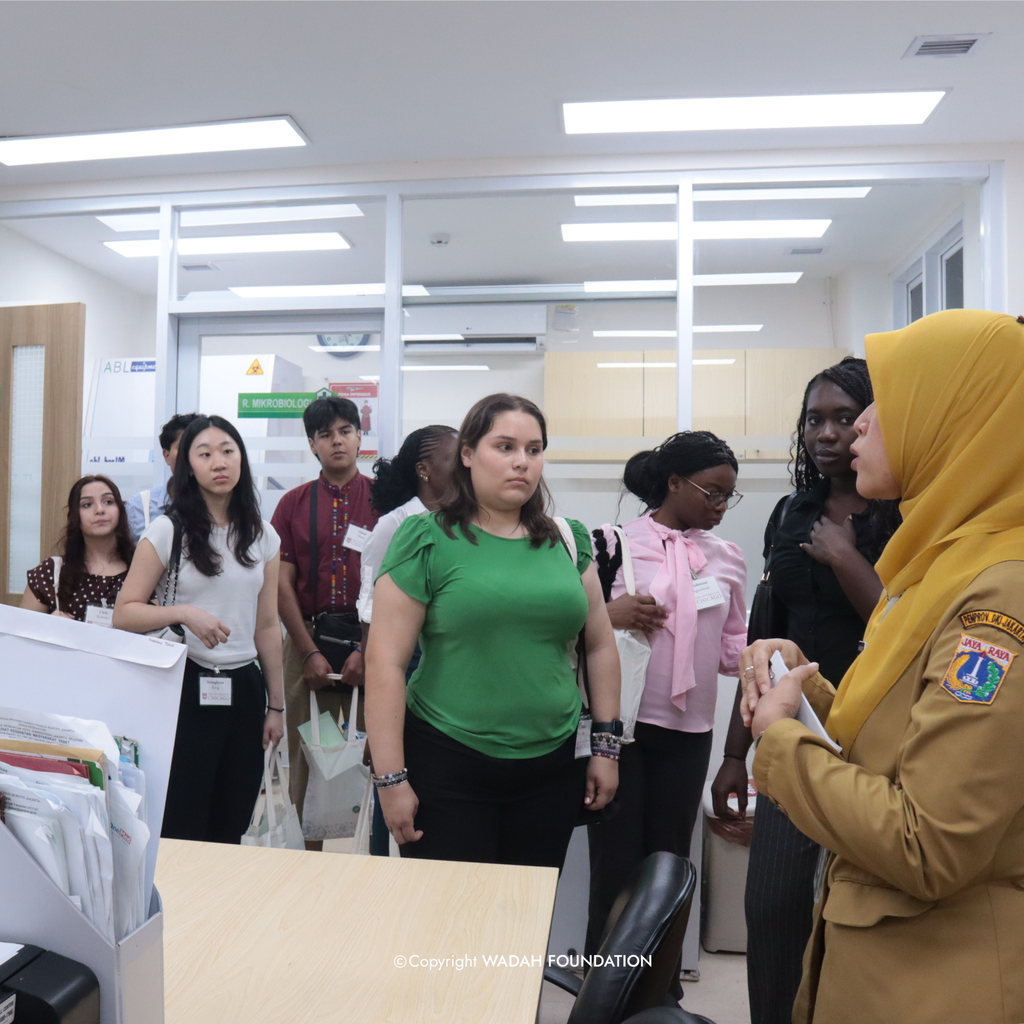
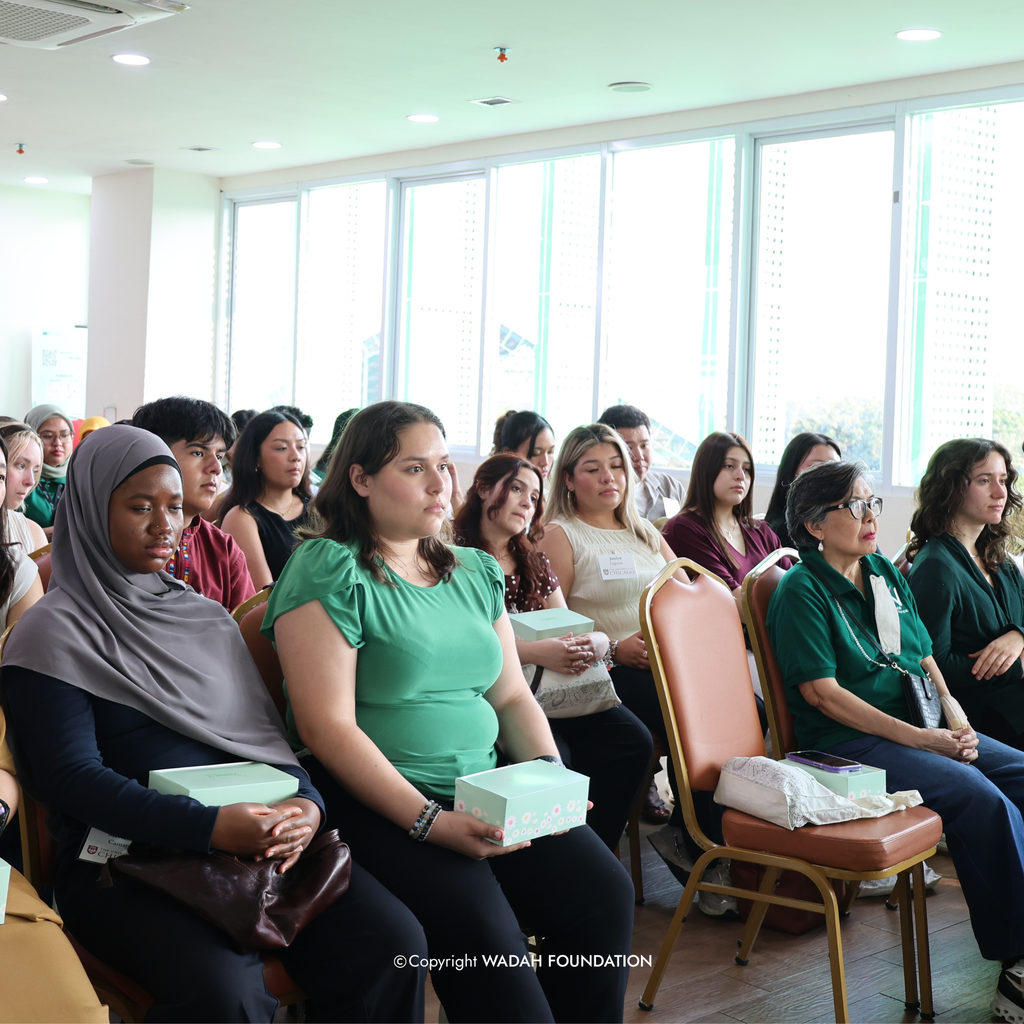
Uchicago students visiting Puskesmas Tebet
In the afternoon, with support and coordination from the Ministry of Health, the group visited the Tebet Community Health Centre (Puskesmas) in South Jakarta. The head of the centre, Dr Kristiani, and her team warmly welcomed the students. Accompanied by Dr Ajeng and Dr Kartika, the students were received a briefing in English on Indonesia’s primary healthcare system, the services available and how community members access them. The briefing was followed by a tour of the centre’s facilities. Although some students were still tired and experiencing jet lag after their long journey, the students remained enthusiastic and took an active part in the discussions.
The visit brought together different perspectives on public services and community well-being. Earlier that morning, the students had met residents of Kampung Beting and learnt about their experiences and the challenges they faced. Next, in the afternoon they saw how the state delivers healthcare services to its citizens through community health centres. Wadah’s experience shows that legal identity can open the door to public services, and that sustainable services grow out of collaboration between the government and the community.
Exploring Further Collaboration with Wadah
Paige Williams of UChicago Career Advancement expressed her appreciation for Wadah’s dedication to preparing for and facilitating the visit from the initial communications through to the completion of all activities. According to her, the students felt that their visit had been thoughtfully designed and carefully tailored to their needs.
Paige also noted that the students learnt an unexpected lesson about leadership. The way the Wadah team worked together, the relationship between leaders and team members, and the mutual respect and trust evident throughout the day gave the students much to reflect on. For the students, preparing for a career also means asking what kind of person and leader they aspire to become. Paige added that the students are still talking about their visit to Kampung Beting and had already developed several ideas that could potentially be taken forward.
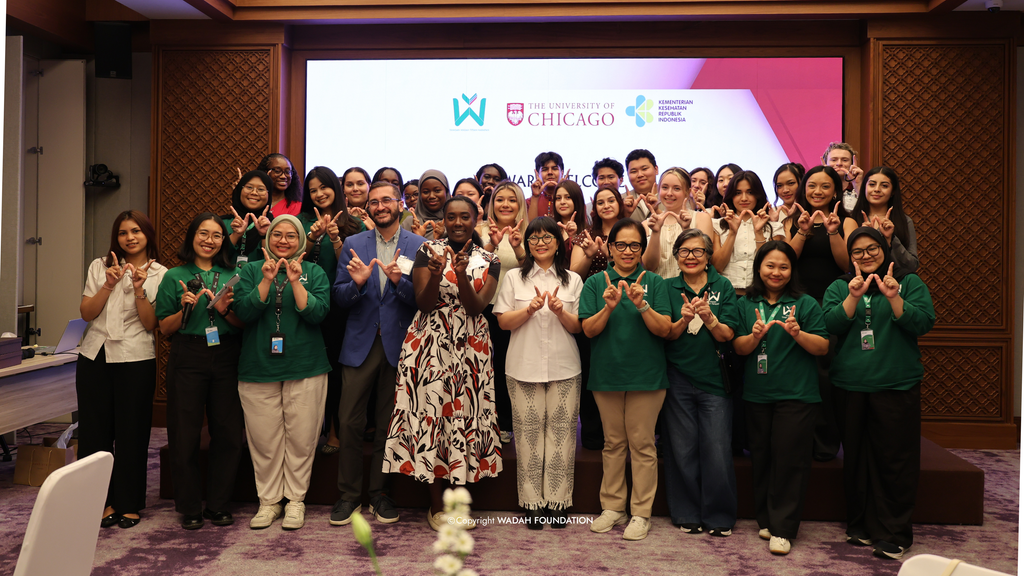
Uchicago students with Prof. Stella Christie
Following the visit, Uchicago expressed an interest in continuing its collaboration with Wadah including through student internship programmes and other joint initiatives. and the hope that this visit would mark the beginning of long-term relationship with Wadah. Wadah will follow this up with the university to determine the most suitable form of collaboration, including potential research partnerships.
Author: Ani Widyastutik
Editor: Zul Herman, Aurora Nurhidayah Rifani