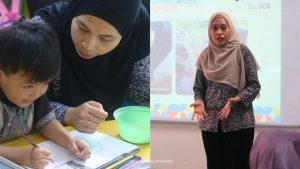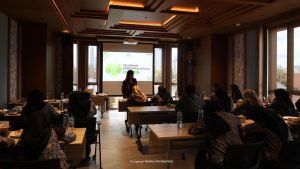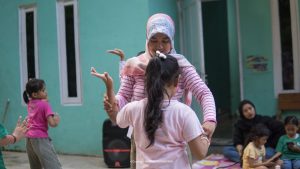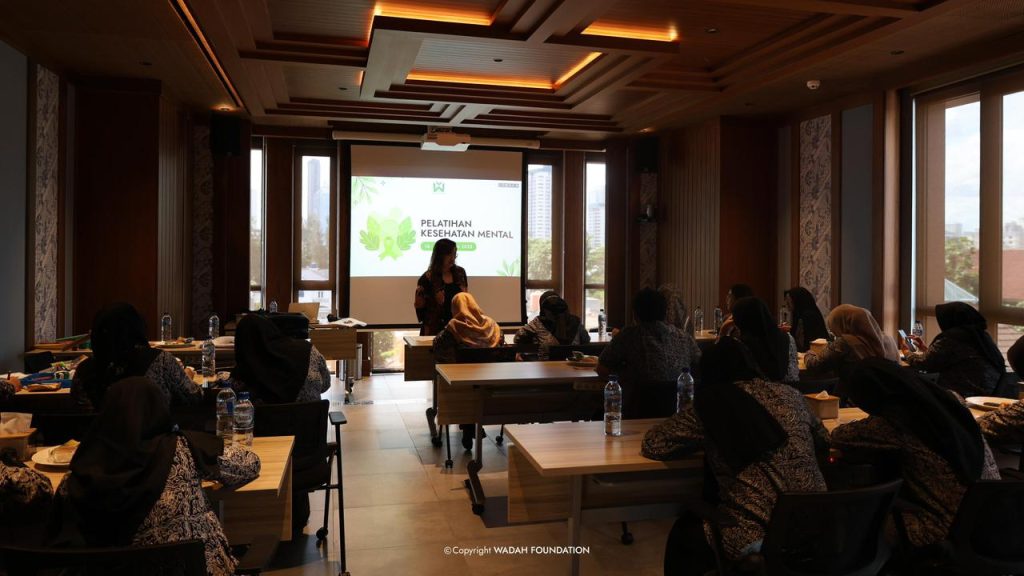
From December 16 to 18, 2025, the Wadah Titian Harapan Foundation (Wadah) held a Mental Health Workshop for 20 early childhood teachers from three communities: Despuri in Klender, Al-Hidayah in Penjaringan, and Warabal in Bogor. This workshop was conducted as a follow-up to a mental health needs assessment for early childhood education (PAUD) teachers in the DKI Jakarta and Bogor Regency areas.
The purpose of this activity, which is led by resource person Y. Dian Indraswari, is to strengthen teachers’ capacity to recognise, prevent, and address various psychological challenges they encounter as educators. This activity is crucial, considering that early childhood education teachers often neglect their own mental health needs due to a culture of self-sacrifice and the stigma that persists in society regarding mental health.
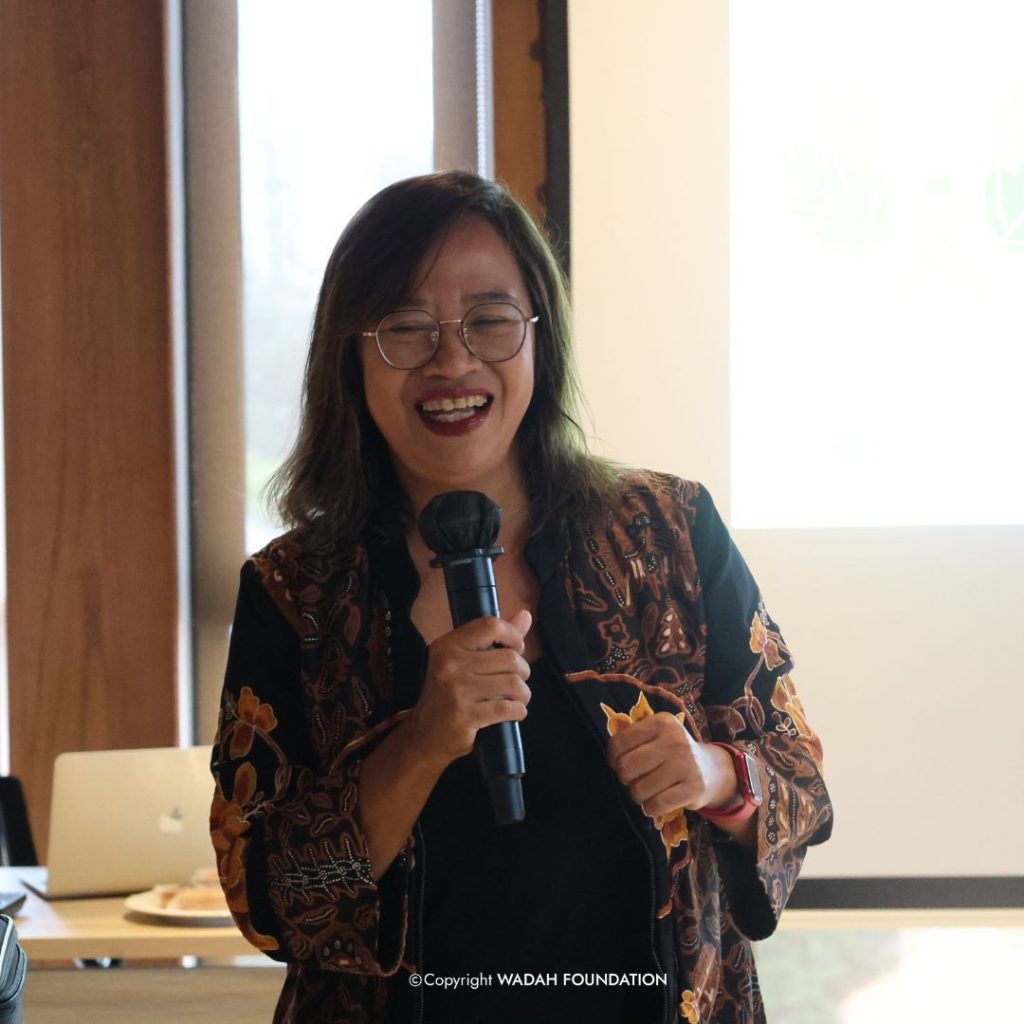
Source Y. Dian Indraswari
Recognising Strengths and Weaknesses
The activity began with great enthusiasm. Participants from the three communities were divided into four groups to mingle and share experiences. Afterwards, they were asked to mark their strengths and weaknesses on an image of a body provided by the speaker. The results were both surprising and meaningful.
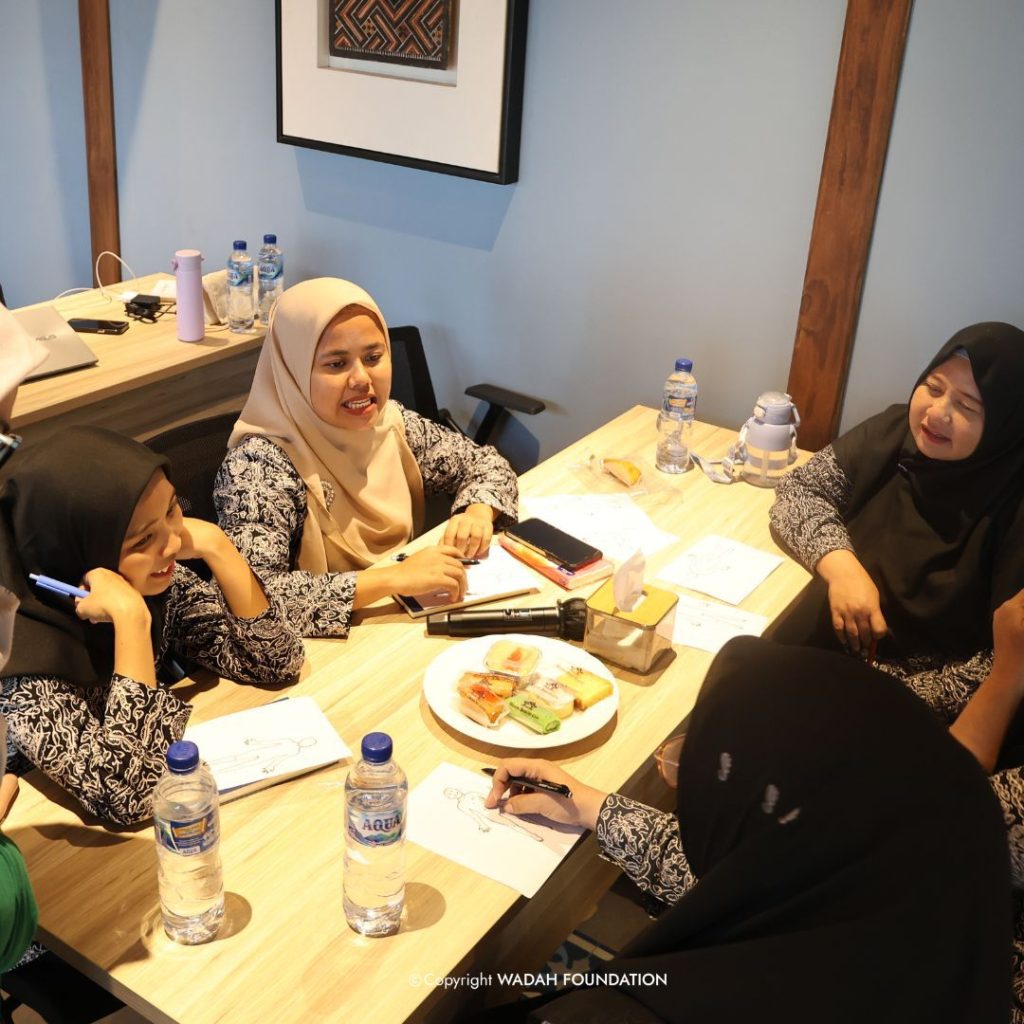
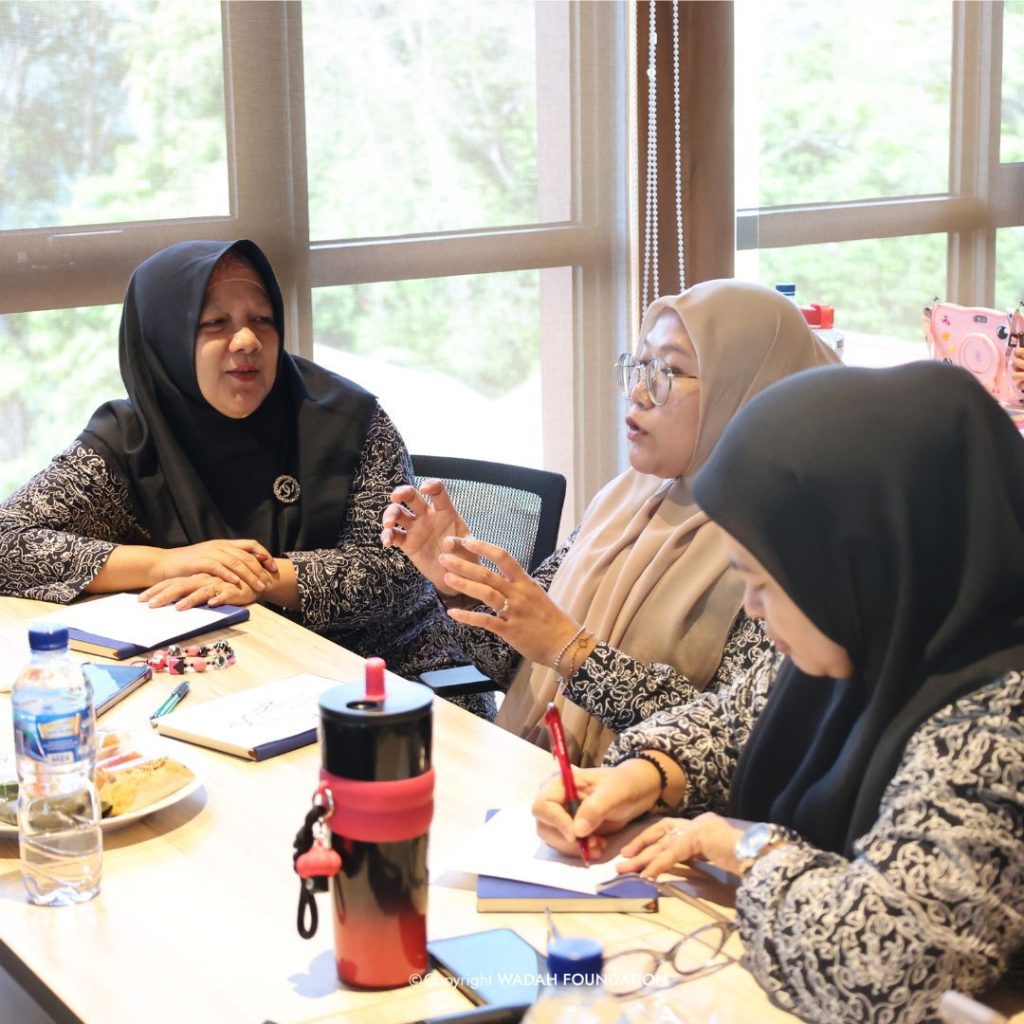
The participants in the group training exchanged experiences
Most teachers marked the head, heart, and hands as their centers of strength. The head symbolises creativity and innovation, which they must continue to apply in designing engaging lessons. The heart represents their ability to set aside their ego and personal feelings when working with children, ensuring that positive energy radiates through every learning activity. Meanwhile, the hands reflect their multi-tasking abilities in fulfilling various roles and responsibilities, from managing household duties to supervising young children. However, the head is also their greatest weakness. Work-related stress and repressed emotions create a mental burden that they carry every day.
To conclude the first day, participants were taught the 4-7-8 breathing technique, a simple yet effective method for releasing emotions and reducing stress in just a few minutes.
Hands-on Psychological First Aid
The second day began with material on Psychological First Aid (PFA), an immediate supportive response for individuals who have experienced traumatic events. PFA focuses on three steps: Look (observing basic conditions and needs), Listen (active and empathetic listening), and Link (connecting with further support).
Participants’ enthusiasm increased significantly when they were asked to role-play four cases. Some of these were based on real situations they had encountered, making the session very personal and meaningful. The spokesperson’s feedback was highly encouraging, as the first aid they provided was aligned with PFA principles. This showed that the teachers truly understood the material and were ready to apply the knowledge they had gained.
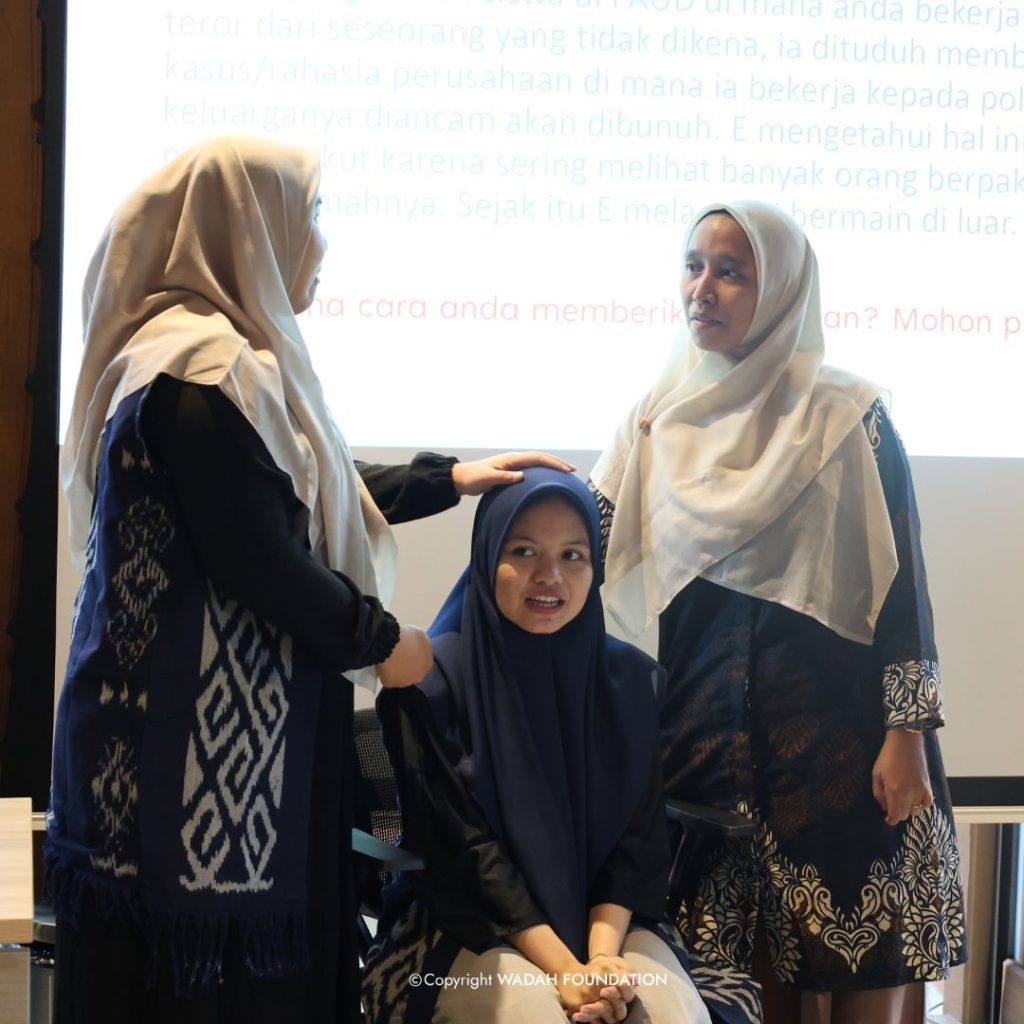
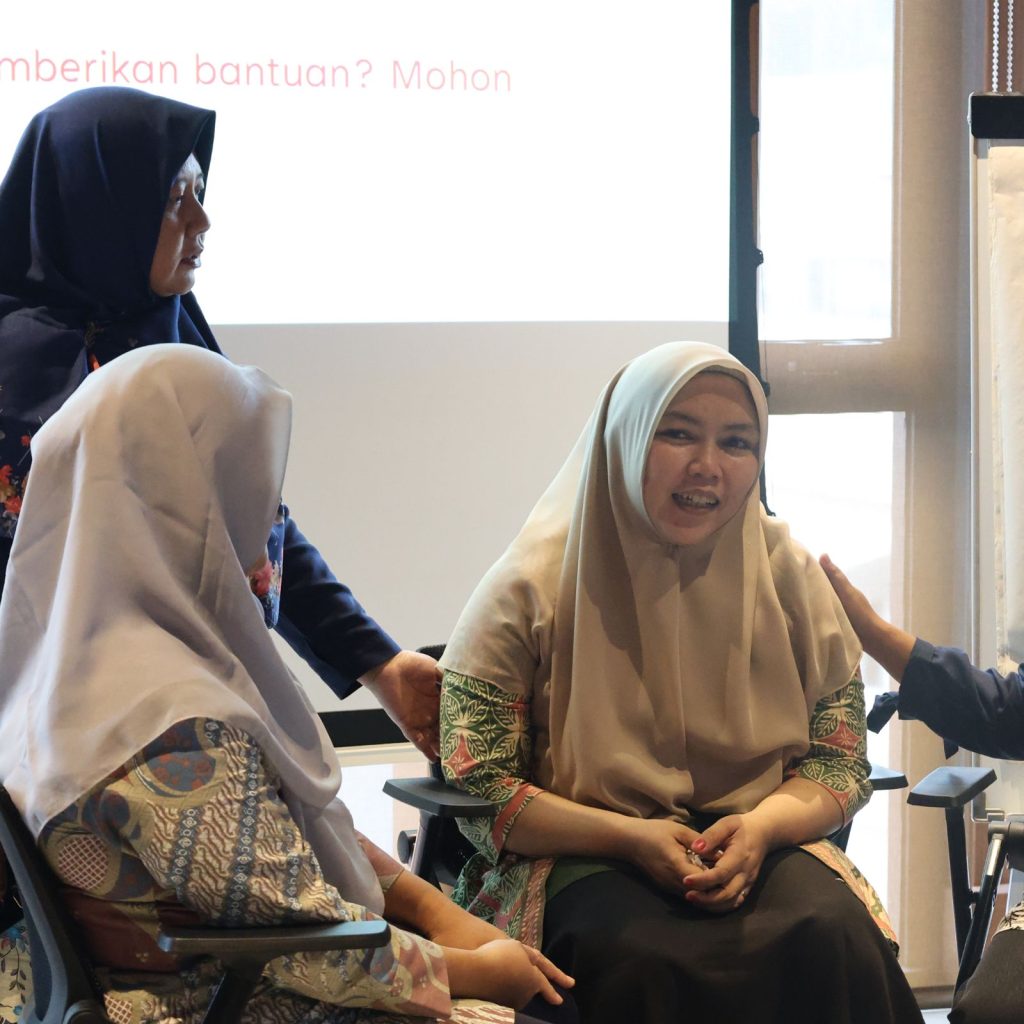
The training participants performed role plays
Next, participants received material on Basic Counselling Techniques as a foundation for teachers’ structured psychological counselling skills. They were reminded that counselling is different from casual conversation because it has clear objectives, a structured process, and is guided by professional ethical principles.
Before closing the second day’s session, the presenter shared practical tips on the ‘hold finger’ technique to calm emotions. This technique is performed by holding each finger for 3-5 breaths, as each finger is associated with specific feelings such as fear, worry, anger, and lack of confidence.
Understanding Children with Problems and Meaningful Reflection
The third day presented material on Psychological Approaches to Understanding Children with Problems at School. Participants learned about children’s traumatic reactions, appropriate response principles, and how to recognise various psychological disorders such as Attention Deficit Hyperactivity Disorder (ADHD), Anxiety Disorder (AD), and Autism Spectrum Disorder (ASD). This knowledge is crucial, as it enables teachers to detect problems early and refer students to professionals if necessary.
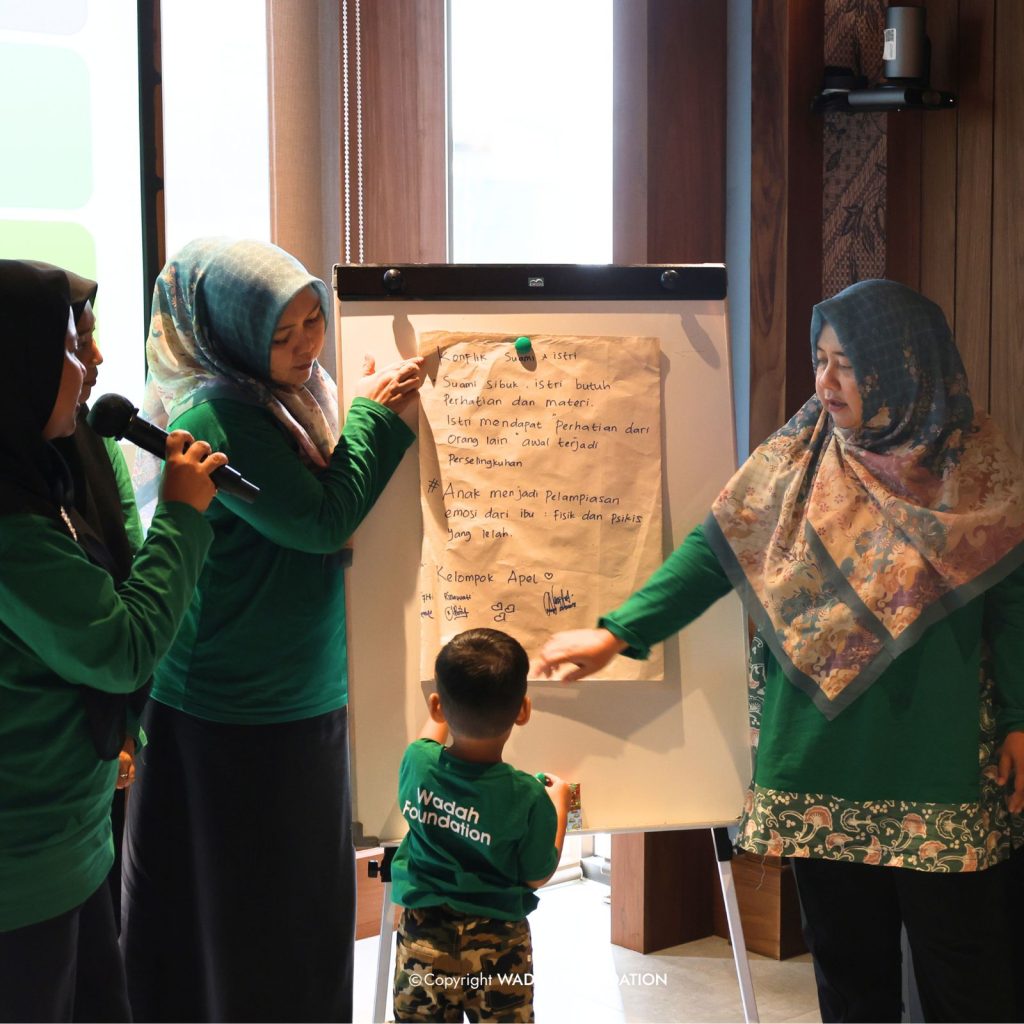
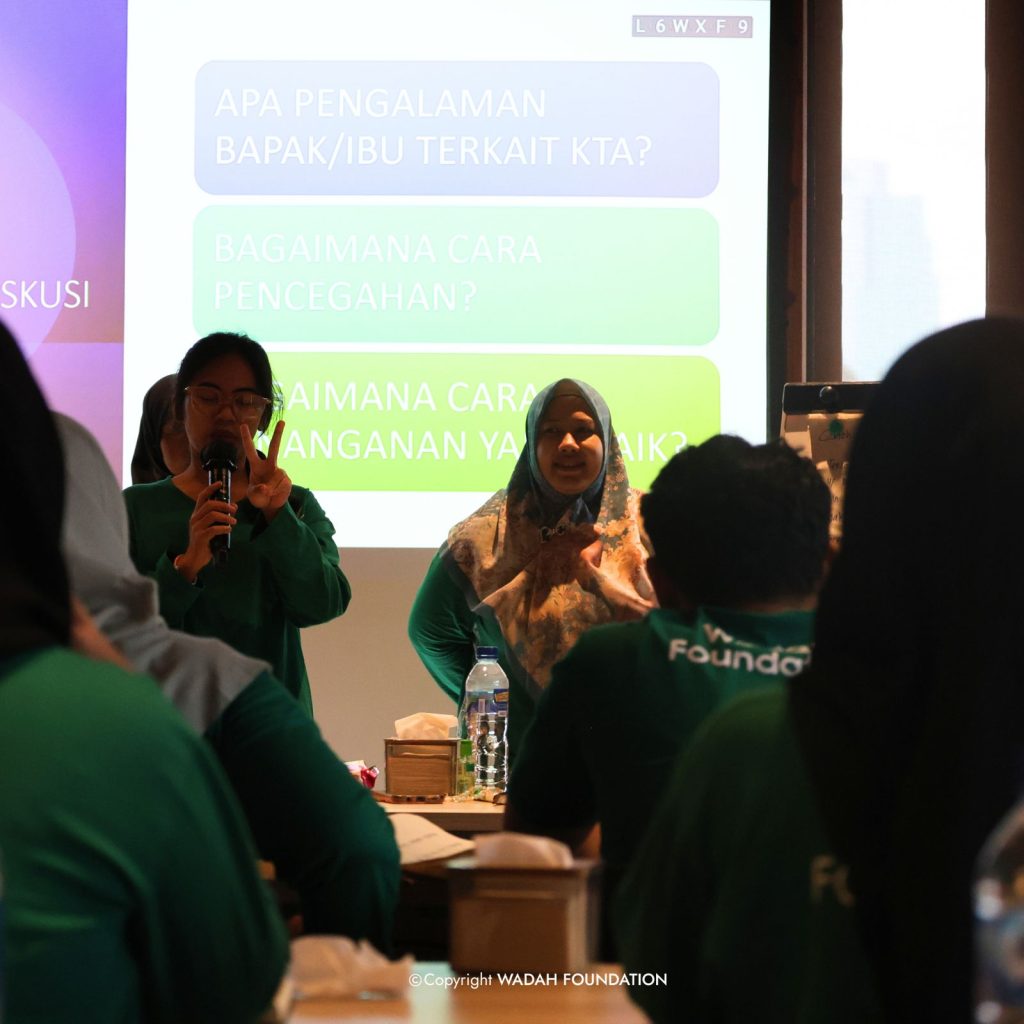
The training participants conducted case discussions
During the reflection session facilitated by a representative from the Wadah Foundation, participants expressed that the workshop was very much in line with their expectations. They acknowledged the importance of the principle of ‘saving oneself first before saving others’ in the context of mental health. When early childhood educators maintain a healthy and stable mental state, their students benefit from the positive impact.
“We have been eagerly awaiting this mental health training,” one participant said enthusiastically. The workshop helped them understand the appropriate coping mechanisms (strategies or methods) for dealing with stress. They hope that ongoing training will continue so that future generations can grow up physically and mentally healthy.
The teachers expressed their gratitude to the Wadah Foundation for the valuable knowledge, which they can also share among parents in the community. This way, the positive impact of mental health can spread from teachers to students, from students to families, and ultimately to the entire community. As the workshop’s closing message stated, “Love yourself before loving others.”
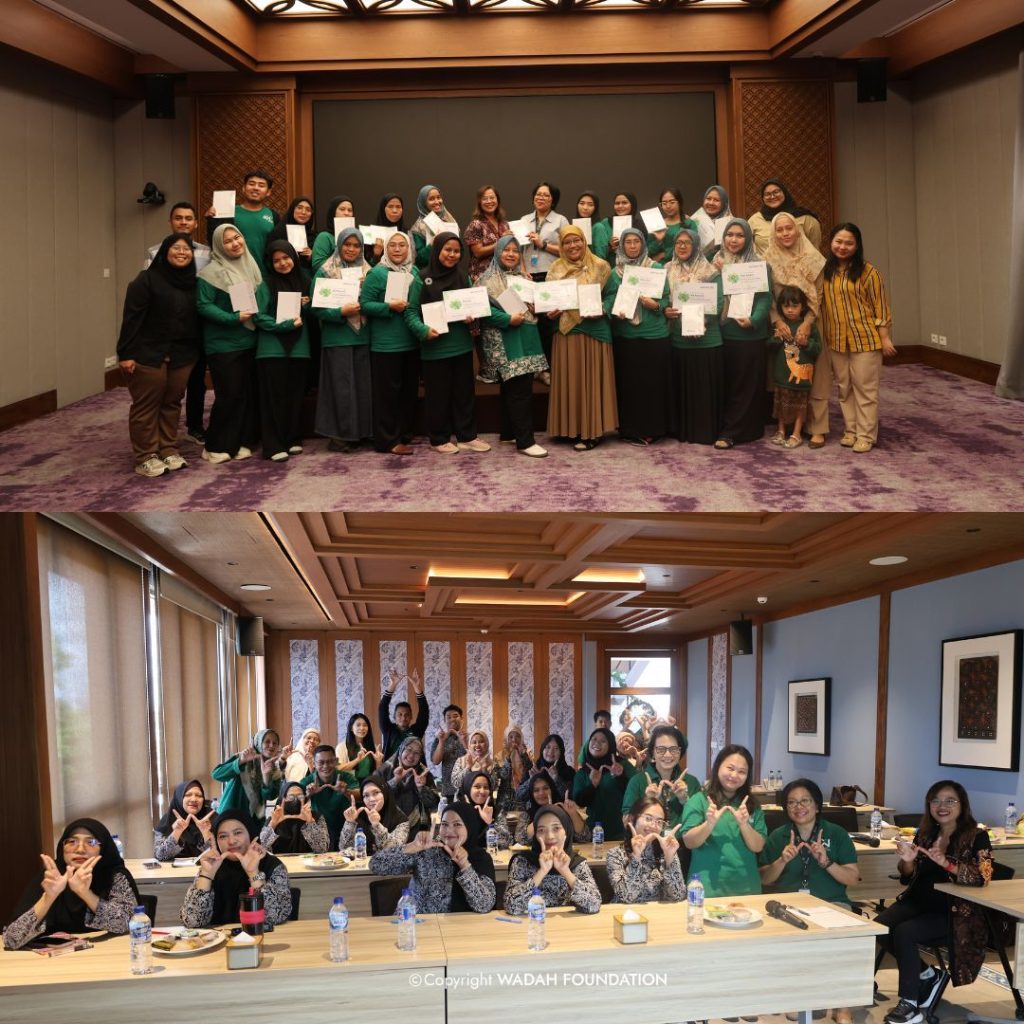
Group Photo
Author: Ani Widyastutik
Editor: Zul Herman